

Shivani Singh
New Delhi, November 9
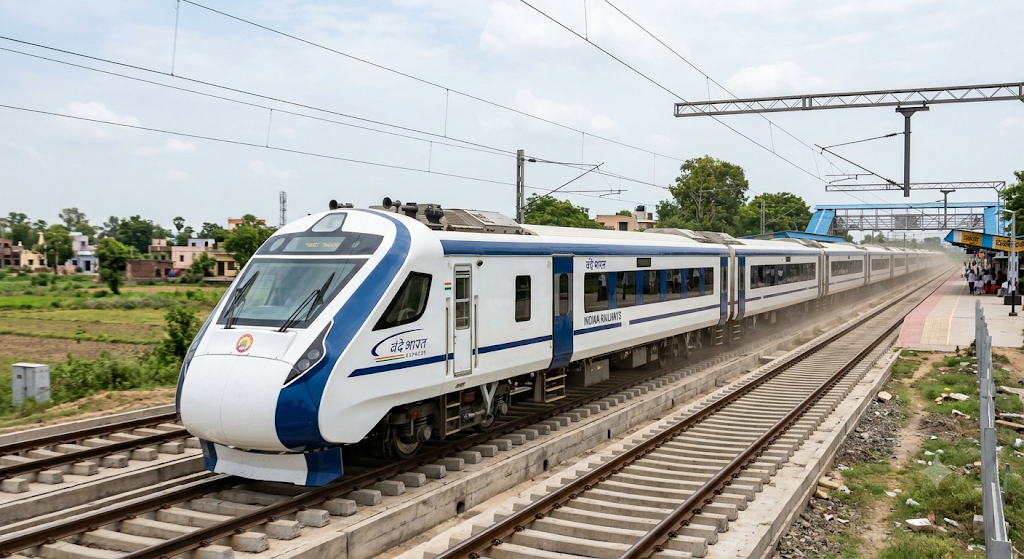
Even as high-speed trains like Vande Bharat and Amrit Bharat—hailed as the pride of the nation—speed smoothly along the tracks, the “charioteers” steering them safely to their destinations are breaking down from within. A fresh research report published by the prestigious Bengaluru-based institute NIMHANS and the London-based journal BMC Psychology has sent shockwaves through the railway establishment. According to the study, more than 50 percent of drivers operating Vande Bharat and other premium trains are victims of severe psychological distress and mental fatigue.
Shocking Findings of the Study: What Does the Report Say
The results of this “mixed-methods” study conducted on railway loco pilots in Bengaluru are deeply alarming:
50.9 percent of pilots were found to be within the range of severe psychological distress.
34.2 percent of pilots are grappling with clear symptoms of high occupational stress.
Circadian Rhythm (Sleep Cycle) Shattered: Due to uncertain and prolonged working hours, the body’s biological clock has completely collapsed, giving rise to chronic fatigue and insomnia.
Why Are Drivers Trapped in a Whirlpool of Stress
1. Long and Uncertain Shifts: Formally, under Section 132 of the Railways Act, 1989 and Railway Board guidelines, duty is stipulated between 9 to 11 hours, but in practice, it frequently stretches to 12 to 14 hours.
2. Cabin Isolation and Vigilance Pressure: The mental pressure of continuously monitoring high-speed tracks combined with the solitary environment of the cabin is hollowing drivers out from the inside.
3. Severe Illnesses: Prolonged sitting in a single posture and irregular dietary habits are multiplying the risks of high blood pressure, diabetes, and digestive disorders.
India’s System Far Behind Global Standards
Comparatively, working hours for train drivers in the European Union and the United Kingdom are strictly regulated. There, a typical shift does not exceed 8 to 9 hours, a medical checkup is mandatory after night shifts, and a minimum mandatory rest period of 12 to 14 hours is provided between two consecutive shifts. In contrast, the working conditions for drivers in India remain profoundly challenging.
Experts explicitly state that the railways’ existing paperwork-driven wellness programs are proving inadequate. To ensure passenger safety, the Railway Board must immediately rationalize the working hours of loco pilots and implement specialized mental health interventions; otherwise, this neglect could trigger a major railway accident in the future.
———–
Tags: Loco Pilot